Cross-border healthcare solutions are increasingly being implemented in various countries to address the growing demand for improved access to quality healthcare services. In the Kingdom of Saudi Arabia (KSA), there is a rising interest in implementing cross-border healthcare solutions to facilitate improved access to healthcare for its citizens and residents. This article explores the potential benefits and challenges of implementing cross-border healthcare solutions in KSA and its impact on improving healthcare access and quality for the population.
Cross-border healthcare solutions aim to improve access to needed medical services for residents of the Kingdom of Saudi Arabia (KSA) by enabling them to seek treatment outside the country. This may involve collaboration with international healthcare providers, establishing referral networks, and streamlining administrative processes such as insurance claims and medical records. By implementing such solutions, KSA can ensure that its residents have access to a wider range of healthcare options, especially for specialized or rare medical conditions that may not be easily treatable within the country. Additionally, cross-border healthcare can help alleviate strain on local healthcare systems and reduce wait times for certain treatments by allowing patients to seek care in other countries. Overall, the implementation of cross-border healthcare solutions in KSA has the potential to significantly improve access to quality medical care for its residents.
The Benefits of Cross-Border Healthcare Solutions in KSA
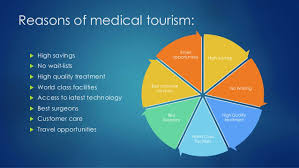
Cross-border healthcare solutions in KSA provide numerous benefits for both patients and healthcare providers. These solutions offer access to a wider range of medical expertise, technology, and treatments, which may not be readily available within the country. Additionally, patients can benefit from reduced waiting times for certain procedures and may have the option to seek medical care in more convenient locations. For healthcare providers, cross-border healthcare solutions can facilitate collaboration and knowledge-sharing with international counterparts, leading to improved standards of care and access to cutting-edge medical innovations. Overall, these solutions can ultimately lead to better health outcomes for patients and contribute to the development of the healthcare sector in KSA.
Navigating Cross-Border Healthcare Options in KSA

Navigating cross-border healthcare options in KSA can be complex, but there are a few key aspects to consider. Firstly, it's important to understand the regulations and requirements for seeking healthcare in a different country. This may involve obtaining the necessary visas, insurance coverage, and understanding the legal and cultural differences in healthcare practices. In addition, research the quality and reputation of healthcare providers in the destination country. This could involve seeking out recommendations from expatriate communities, consulting with medical professionals, or reviewing online resources and reviews. It's also essential to consider the logistical aspects of cross-border healthcare, such as transportation, accommodation, and language barriers. Accessing translation services or finding a healthcare provider who speaks your language can be crucial for effective communication and understanding of medical treatment. Finally, having a clear understanding of the costs and payment options for cross-border healthcare is important. This includes understanding the coverage provided by your insurance, as well as any out-of-pocket expenses that may arise. Overall, navigating cross-border healthcare options in KSA requires thorough research, careful planning, and a clear understanding of the legal, logistical, and financial aspects involved.
Understanding Cross-Border Healthcare Delivery in KSA
Medical tourism examples

Understanding Cross-Border Healthcare Delivery in KSA involves an in-depth analysis of the healthcare system in the Kingdom of Saudi Arabia, including its regulatory framework, infrastructure, and policies related to cross-border healthcare services. This also encompasses an examination of the dynamics of patient and provider mobility, as well as the legal and ethical considerations involved in delivering healthcare services across borders. Additionally, understanding the financial, logistical, and cultural aspects of cross-border healthcare delivery in KSA is essential for healthcare professionals and policymakers.
Improving Patient Care with Cross-Border Healthcare Solutions in KSA
Improving patient care with cross-border healthcare solutions in KSA involves facilitating access to high-quality medical services and specialized treatments for patients in need. This can be achieved through partnerships with international healthcare providers, implementing telemedicine and virtual care options, and streamlining administrative processes for obtaining medical visas and insurance coverage. By providing patients with more options for seeking care beyond their borders, the healthcare system can better address the needs of complex cases and alleviate strain on local resources. Additionally, cross-border healthcare solutions can help to elevate standards of care and foster knowledge exchange among healthcare professionals, ultimately benefitting patient outcomes and overall healthcare delivery in KSA.